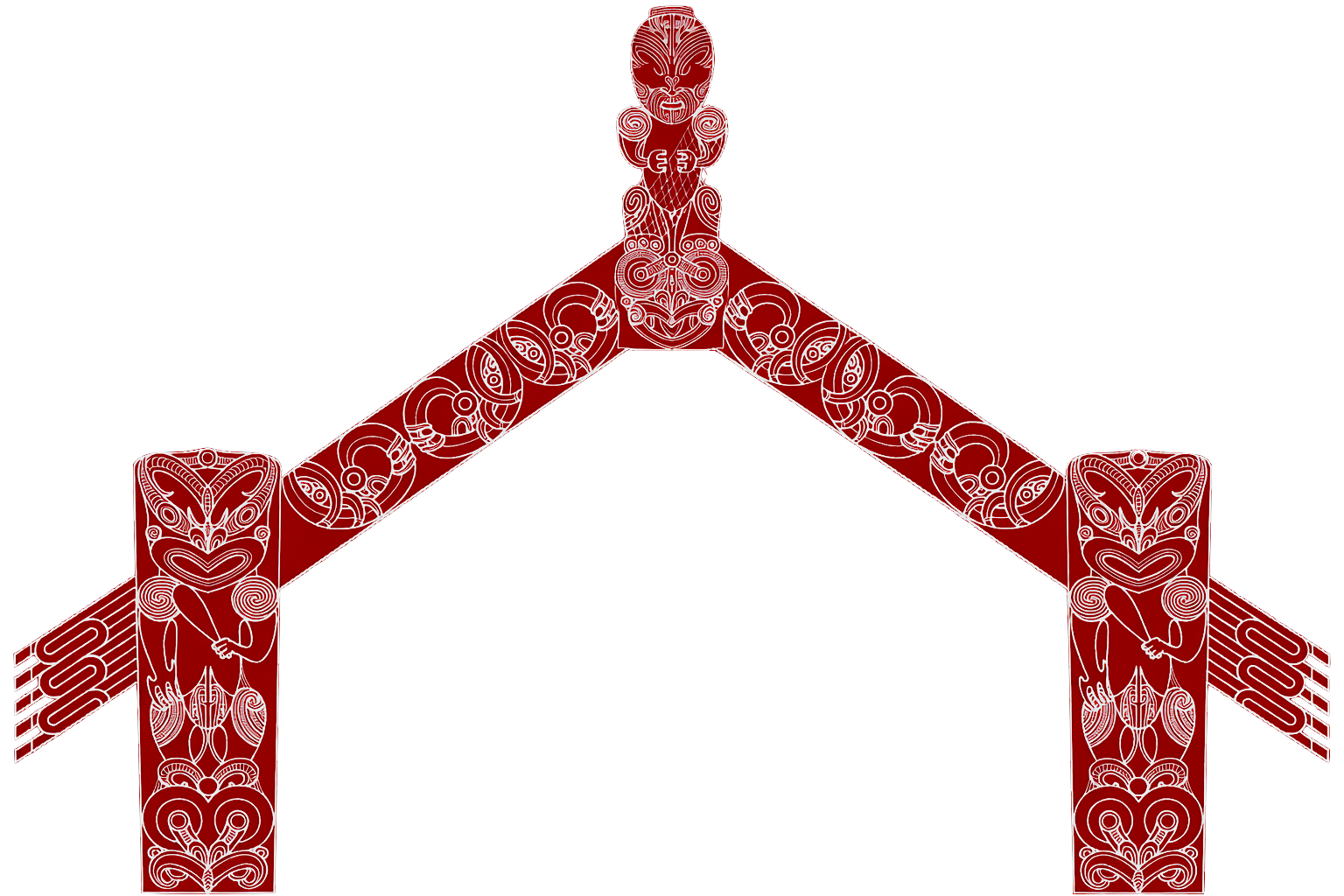
WHARE TUPUNA GOVERNANCE FRAMEWORK
WELCOME TO THE WHARE
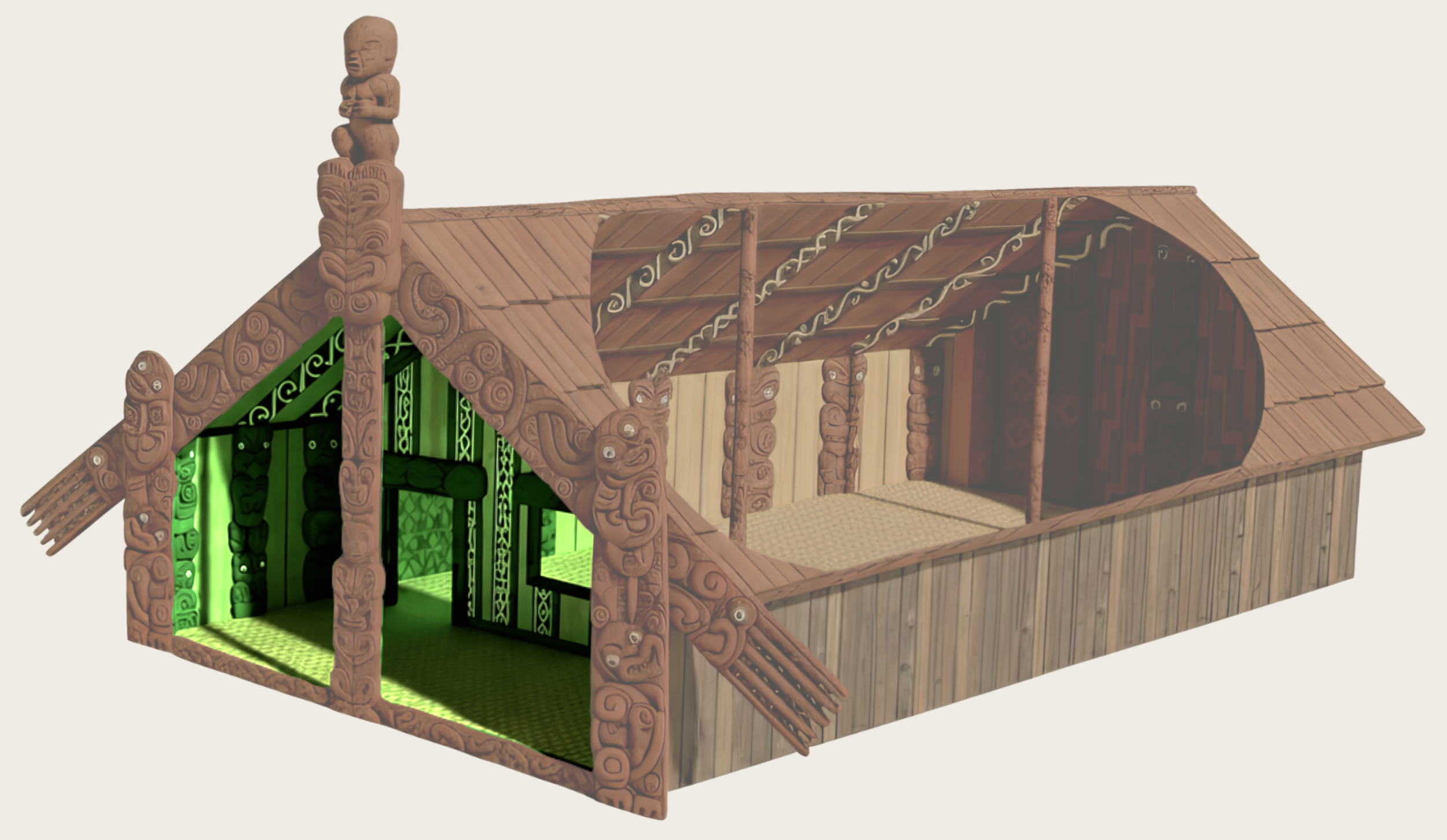
Whare tupuna are at the beating heart of our Māori communities. They represent the symbolic body of our ancestors. They are alive with meaning and rich with cultural heritage. They connect us with our past, present, and future.
The whare tupuna offers a uniquely Māori and an intergenerational way of looking at governance and leadership.
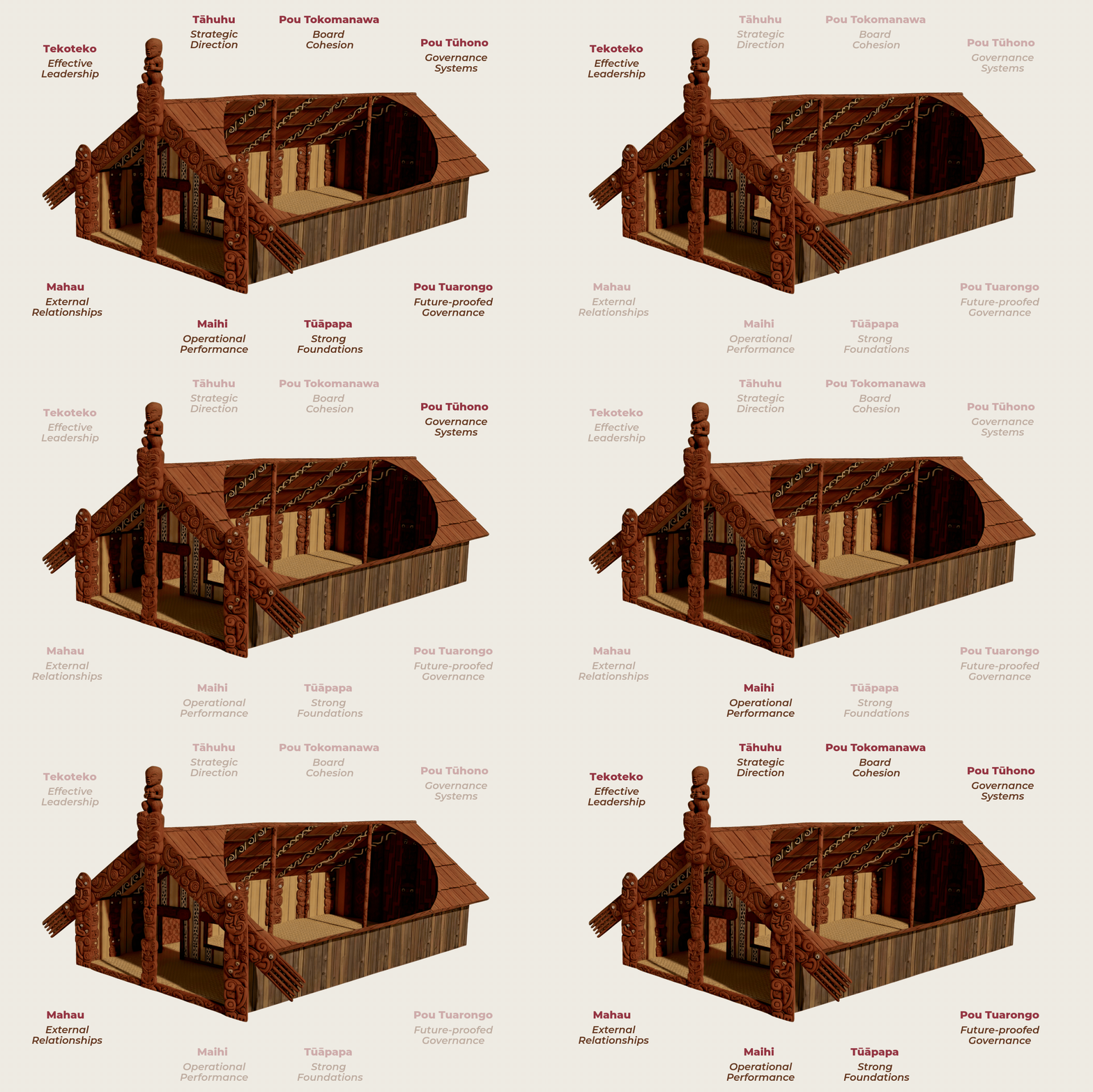
Below we introduce Te Whare Hukahuka’s governance framework that links eight dimensions of effective Māori governance to the whare tupuna. This framework recognises that effective governance is more than just oversight, compliance and control.
Effective governance from a Māori perspective is a set of leadership practices that elevate the mana of a kaupapa and organisation over time – that weaves together multiple themes around setting clear foundations, roles and responsibilities, strategic direction, and ensuring effective structures, efficient delivery, collective decision-making, managing risk and relationships, and inter-generational succession and stewardship.
We link the whare tupuna to eight dimensions of governance. Each of these is set out below.
TŪĀPAPA | Strong Foundations
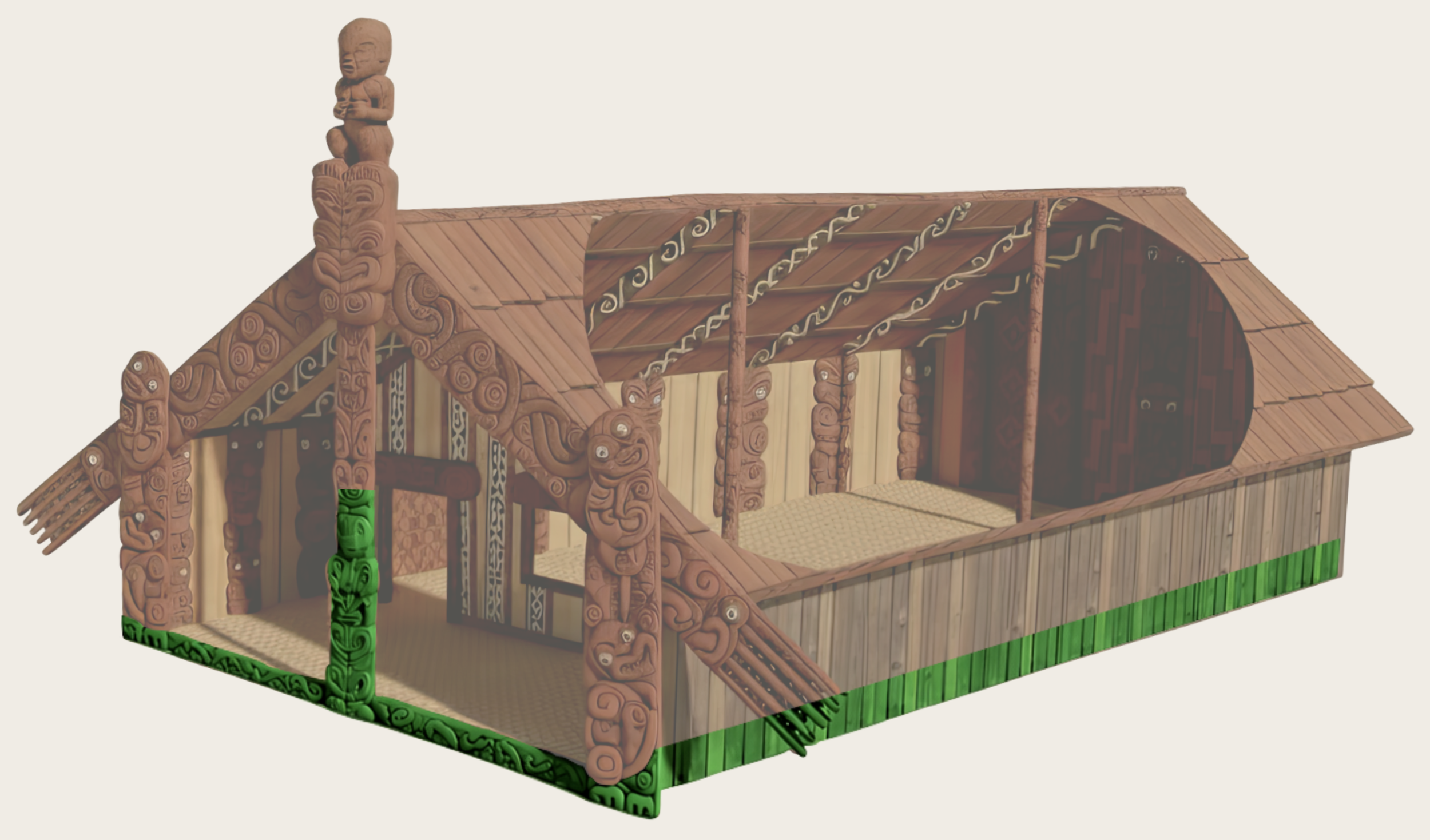
Tūāpapa represent the foundations that guide your board's decisions and behaviour – including the kaupapa, values, tikanga, policies and core documents that anchor everything above. They are the load-bearing beliefs that shape how the board operates over time. It requires a commitment to continually strengthen the base over time as the organisation grows.
Reflects Mana Whenua – mana built from drawing on tūpuna-led guidance that serves the present and will outlast any one board to safeguard the future.
In governance, the Tūāpapa often represents:
Fit-for-purpose organisation structure & legal entity
Constitutional documents
Social & Spiritual enterprise charters/structures
Tikanga & Kawa & Values
Governance policy suite & Board Charter
Tools for decision-making and prioritisation
Problem-solving methodologies
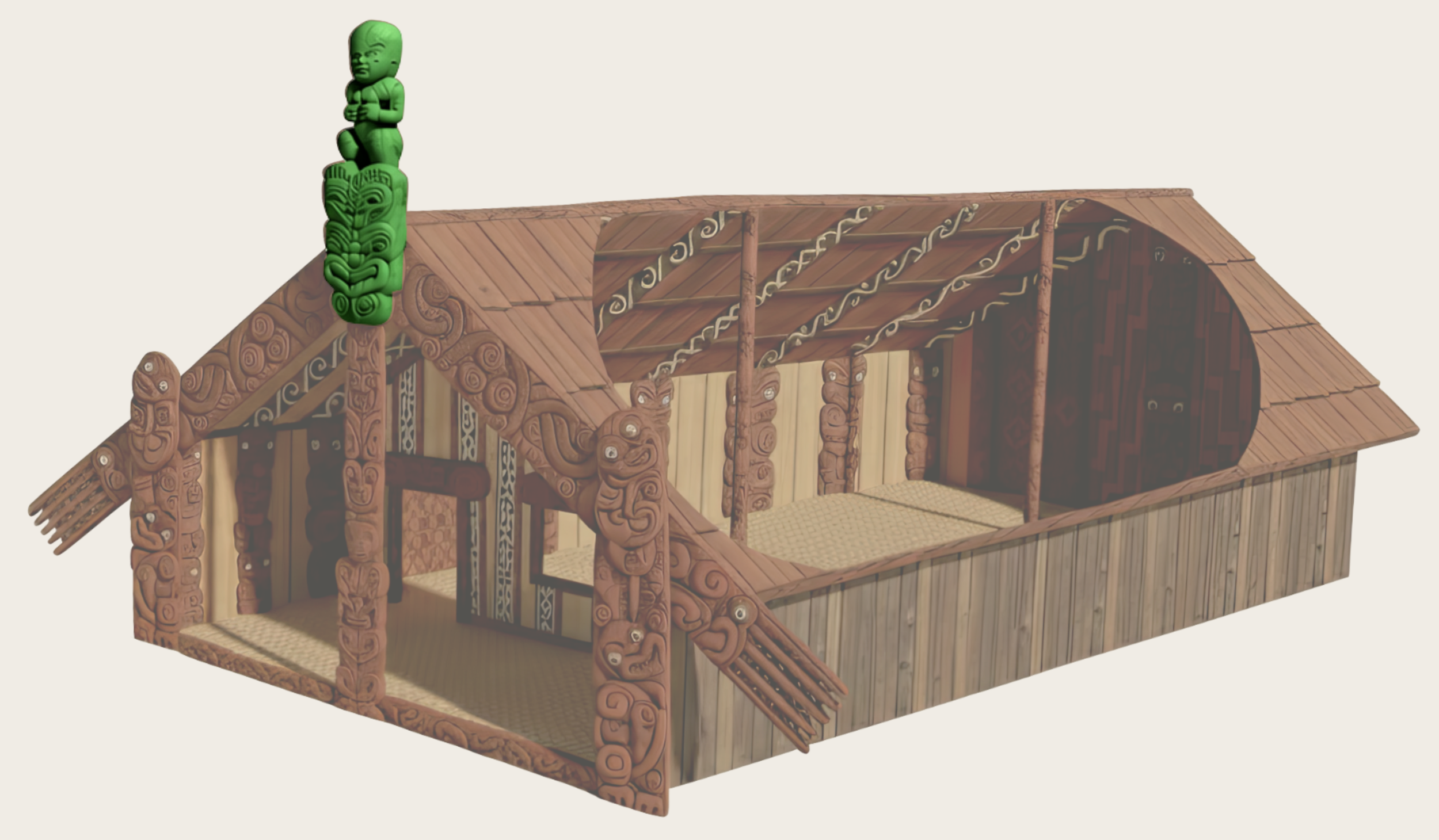
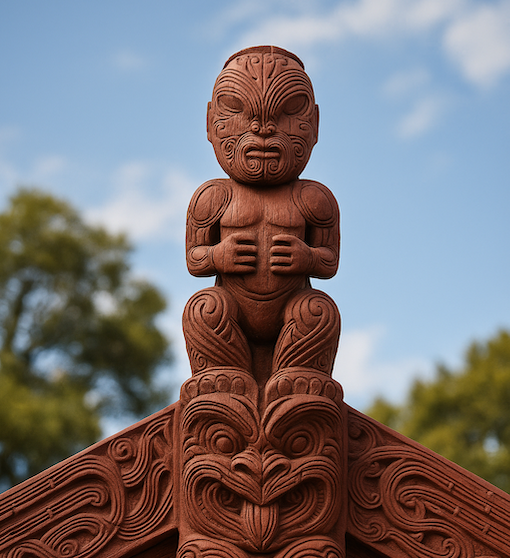
TEKOTEKO | Effective Leadership
The Tekoteko is the carved figurehead that represents the face of leadership at the peak of the whare. It includes being clear on why you exist, how you undertake your responsibilities and board composition. Rather than focusing on status and control, strong governance is about enabling those that you represent so they can thrive and keep your kaupapa alive.
Reflects Mana Tuku Iho – mana vested in the people who lead that compels us to act in ways that honour those before us, for the benefit of the collective.
In governance, the Tekoteko often represents:
Clear organisational purpose
Governance role clarity
Collective responsibility of governance
Key roles on the board – including Chairperson, position, Board Secretary and Trustees
Trustee vs Director duties
Governance vs Management
Board composition
Skills Matrix & gap analysis
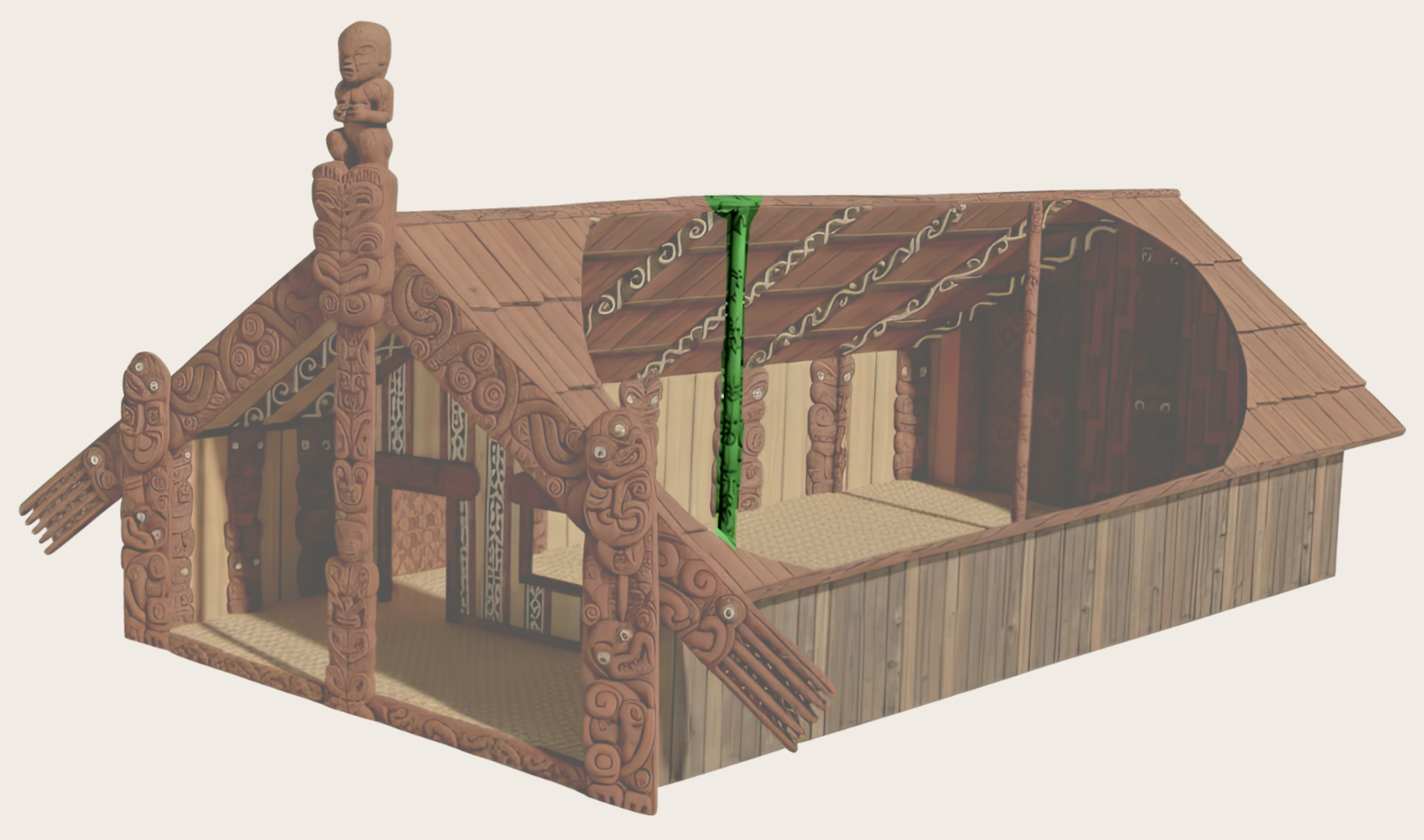
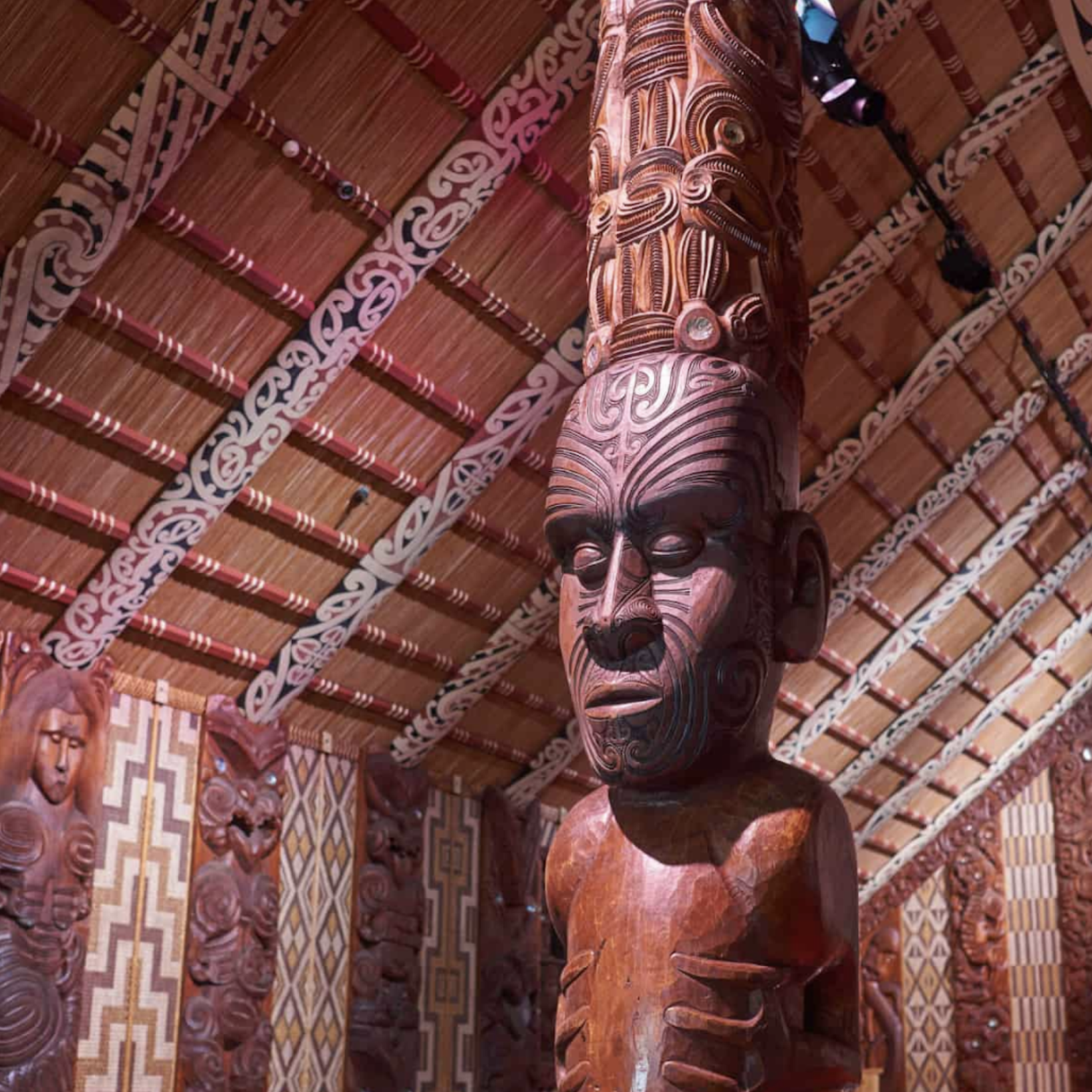
POU TOKOMANAWA | Board Cohesion
The Pou Tokomanawa is the central support pillar of the whare – signifying how cohesive the board is at functioning together as a collective. It reflects the board’s internal strength and its approach to collective decision-making to keep the board’s heartbeat steady and regulated. This includes how decisions are made, how disagreement is held, and how trust and cohesion is built and maintained.
Reflects Mana Tangata – recognising the inherent mana of individuals and the collective. This mana moves people and kaupapa forward, with each shared decision compounding to generate momentum.
In governance, the Pou Tokomanawa often represents:
Core values in action
Code of Conduct
Inclusion of diverse voices
Mana-enhancing conversations
Giving and receiving feedback
Strong conflict resolution
Effective meeting preparation
Board meeting processes
Meeting agenda & board resolutions
Board performance reviews
POU TŪHONO | Governance Systems
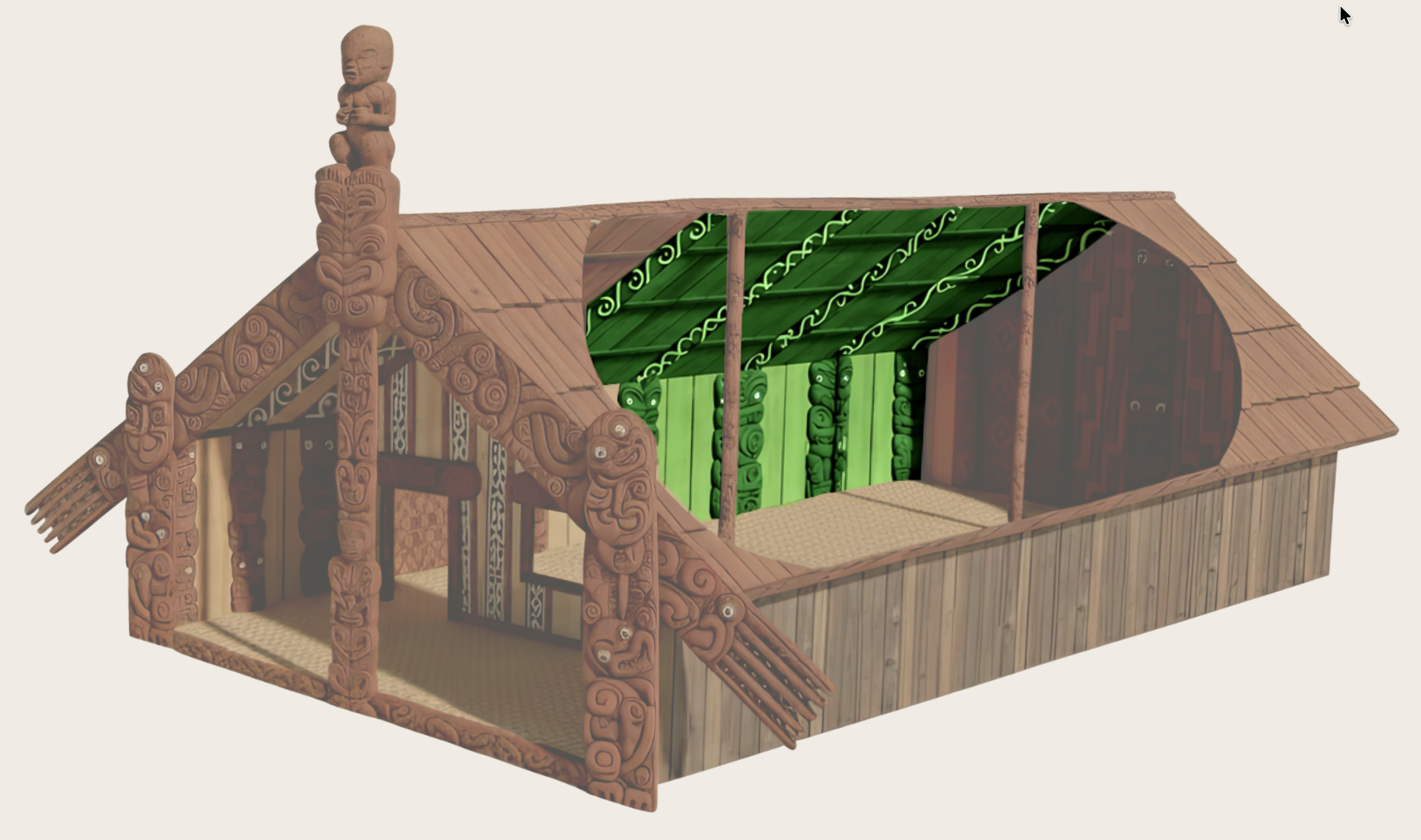
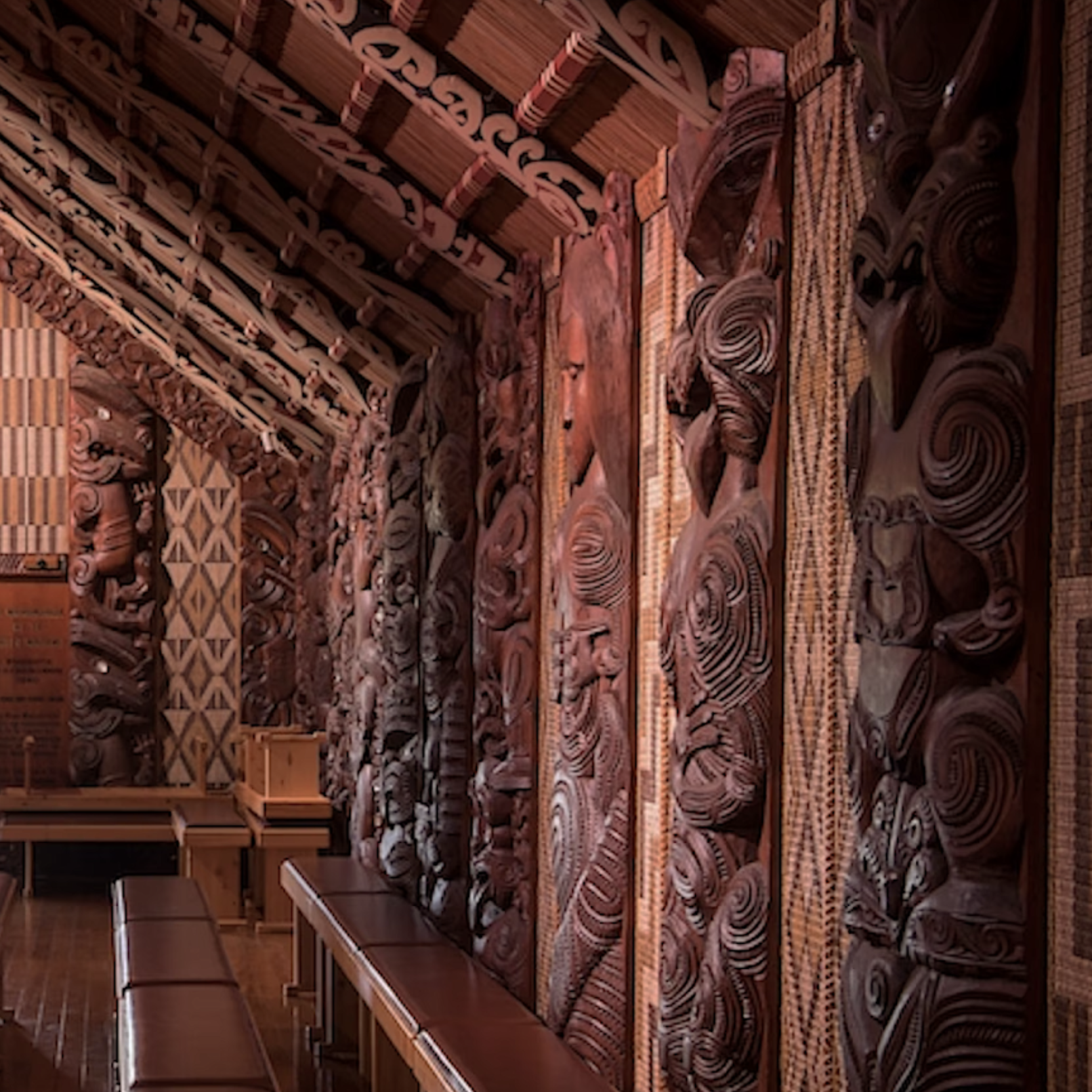
The Pou Tūhono are the systems and structures that keep the whare structurally sound. They include the architecture, the cadence, the data, and the infrastructure that enable the board to govern reliably. Strong Pou Tūhono help ensure people don't burn out and hold the kaupapa steady over time.
Reflects Mana Tōpū – mana generated from turning collective intent into clear structure and processes that carry the mauri of the kaupapa and those within it.
In governance, the Pou Tūhono often represents:
Board sub-committees
Governance annual plans
Board pack quality
Visual dashboards
Technology and data systems
Conflicts of interest
Resource management
Health & Safety processes
TĀHUHU | Strategic Direction
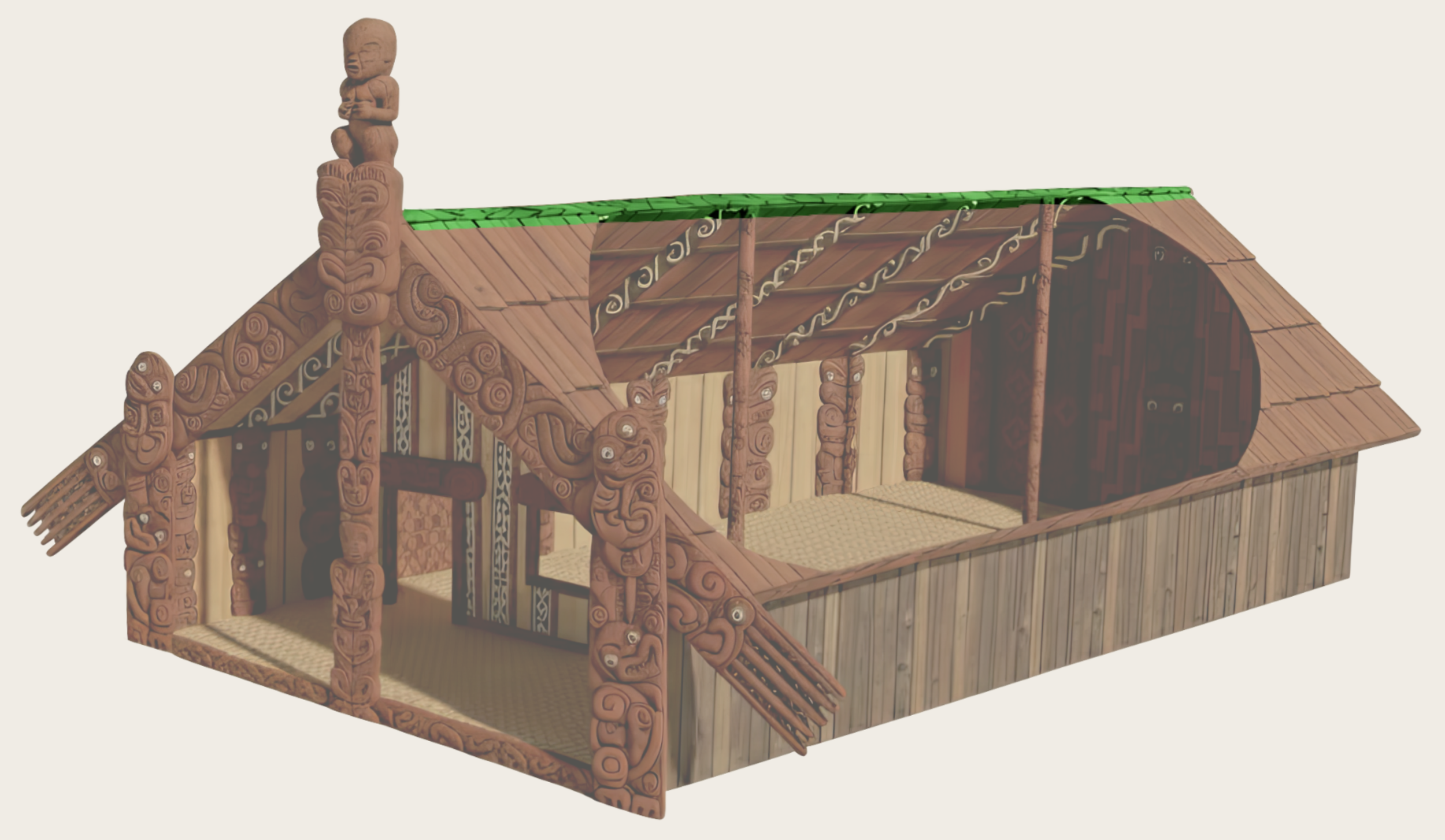
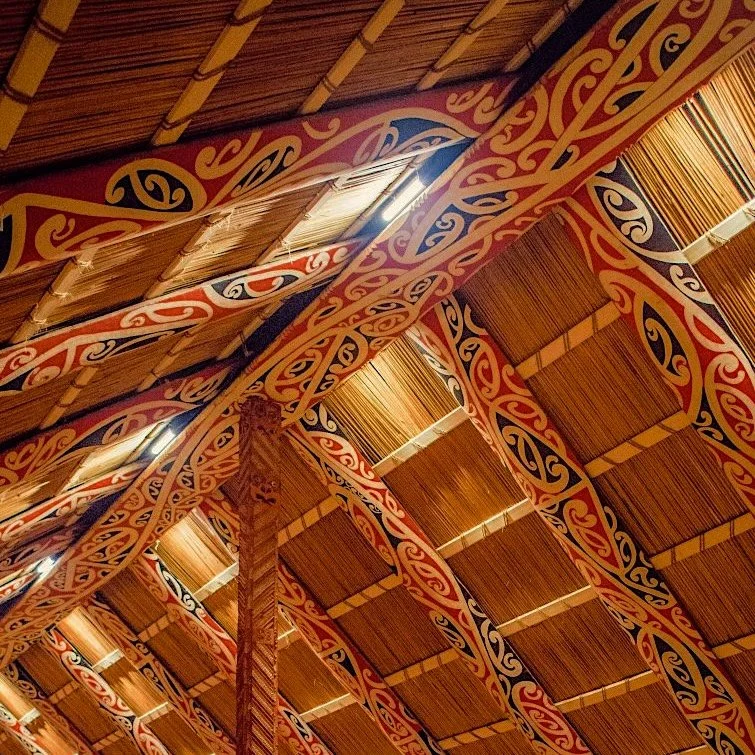
The Tāhuhu is the ridgepole that elevates the kaupapa. This reflects the backbone of the strategy that links the whare together, providing future direction, clear priorities, and a link to the structures and resourcing.
Reflects Mana Āheinga – mana that comes from deciding our own aspirations, and charting our own path forward. True kaupapa contribute to building the hope, aspirations, capabilities and empowerment of the collective, so that in turn they can elevate the mana of the kaupapa.
In governance, the Tāhuhu often represents:
Key components of effective strategy
Vision, Mission, Obstacles, Strategic priorities, Goals, Measures, Reporting
Common weaknesses with strategy
Strategy tools and frameworks
Project selection processes
Business model viability
Investment strategy & SIPO
Types of innovation
Responsiveness to change
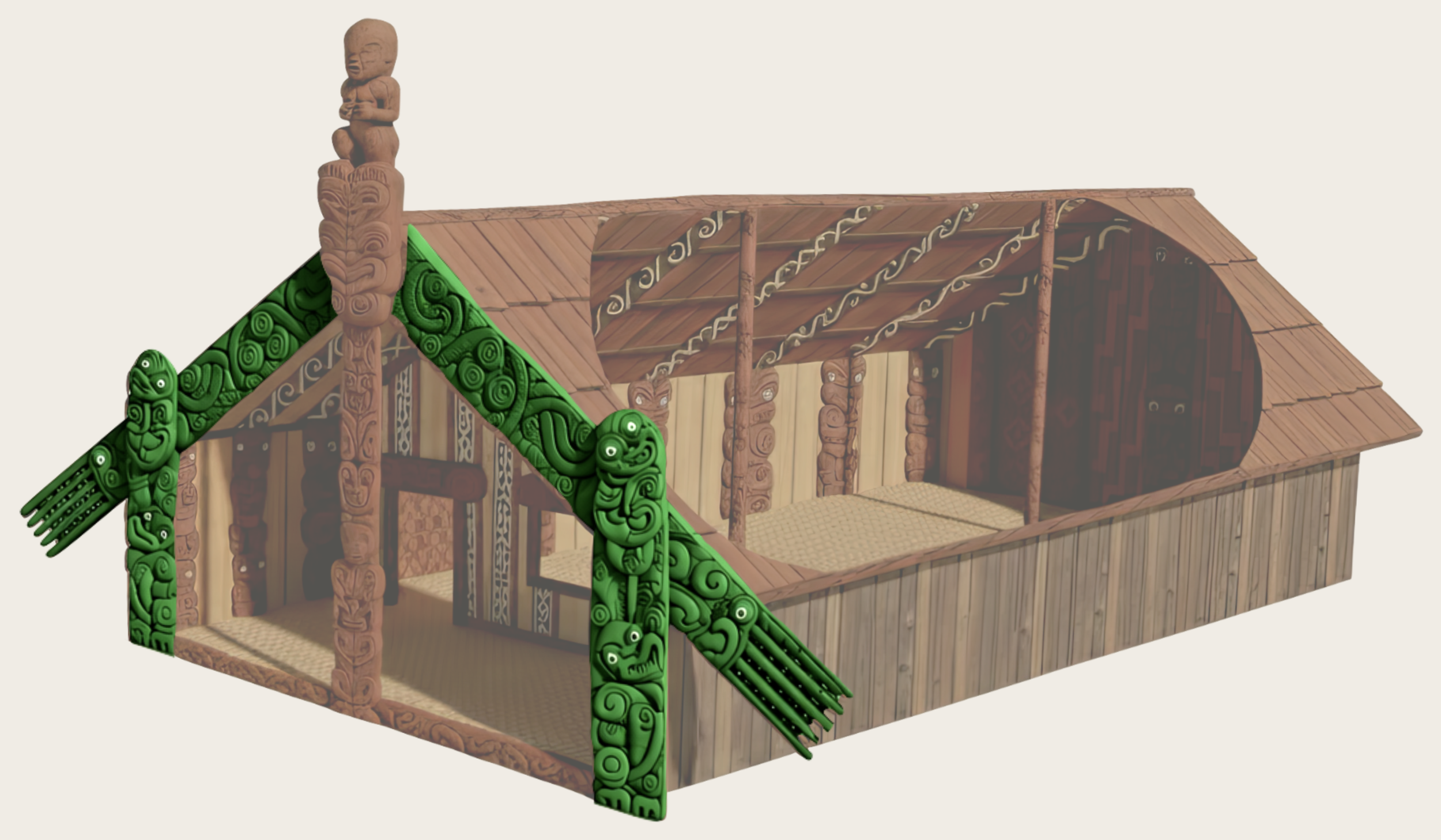
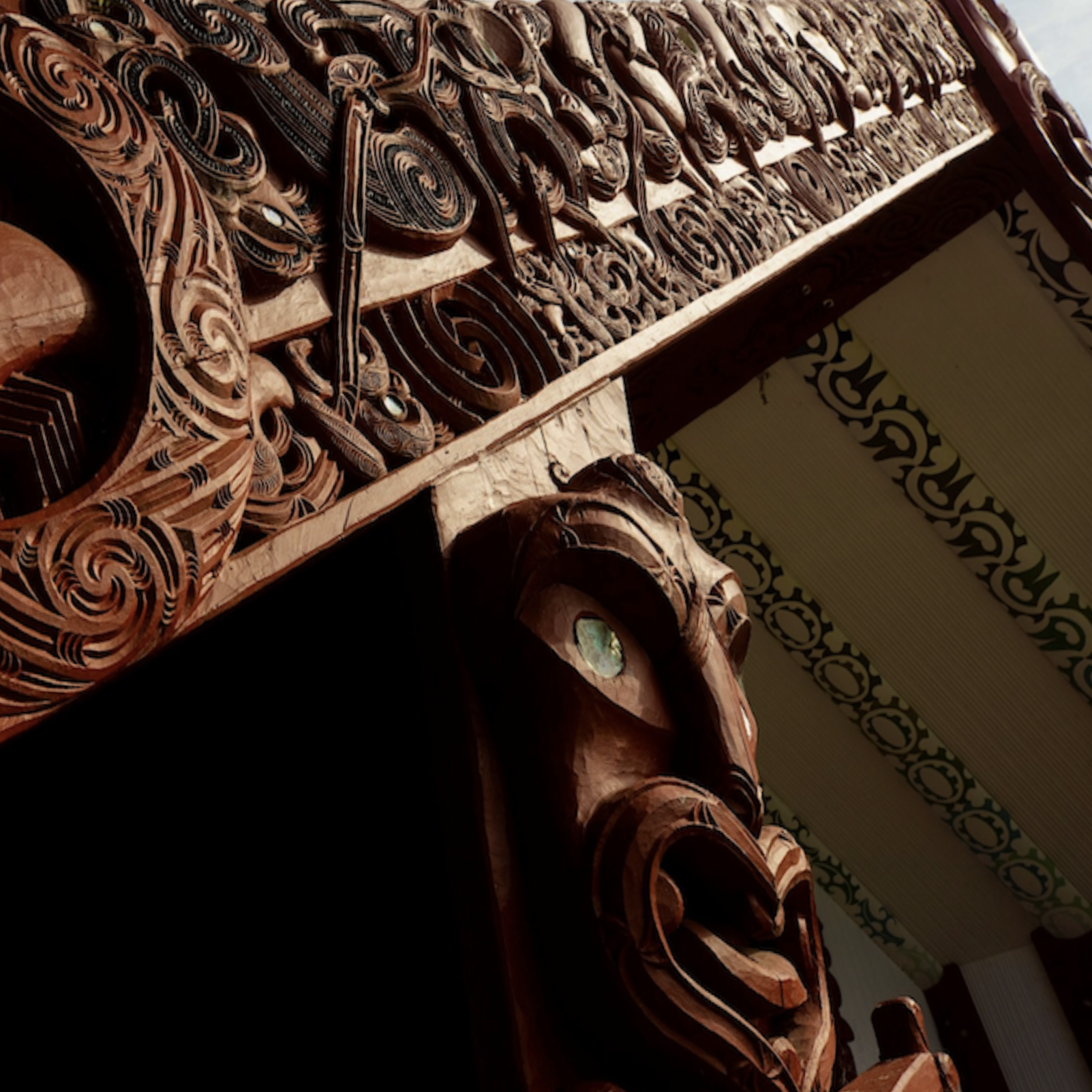
MAIHI | Operational Performance
The Maihi represent the bargeboards of the whare – as the arms that turn your strategy into action to deliver on the aspirations of the people. It reflects the management systems, operational rhythms, financial systems and the right people and resources needed to enable the strategy.
Reflects Mana Whanake – mana that comes from turning leadership decisions into disciplined action to ensure the performance of a kaupapa.
In governance, the Maihi often represents:
Management systems
Effective management team
Board-Manager relationship
Delegated authorities
Key Performance Indicators
Measurements
HR processes
Operational systems/rhythm
Financial planning, reporting, budgeting & systems
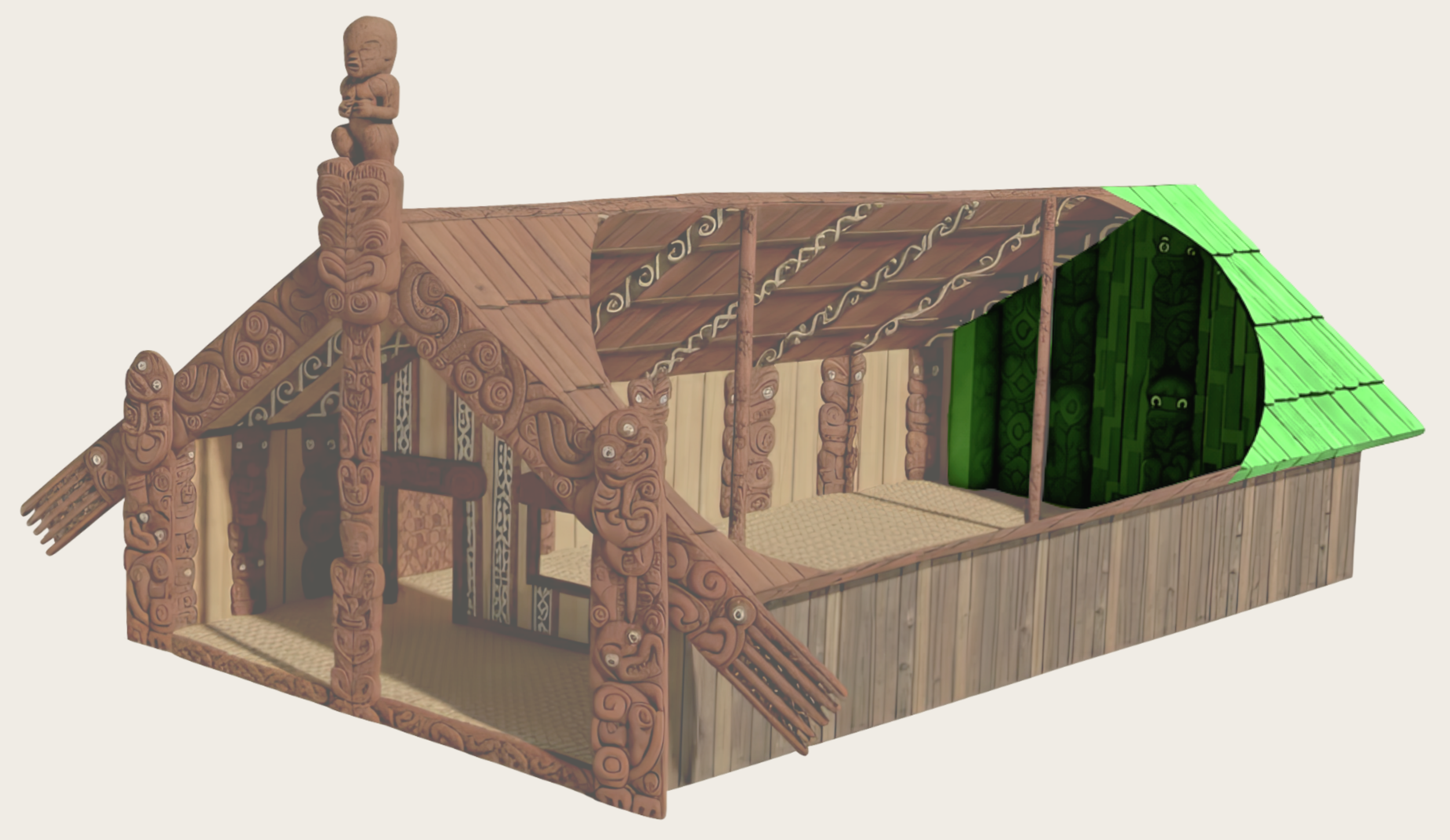
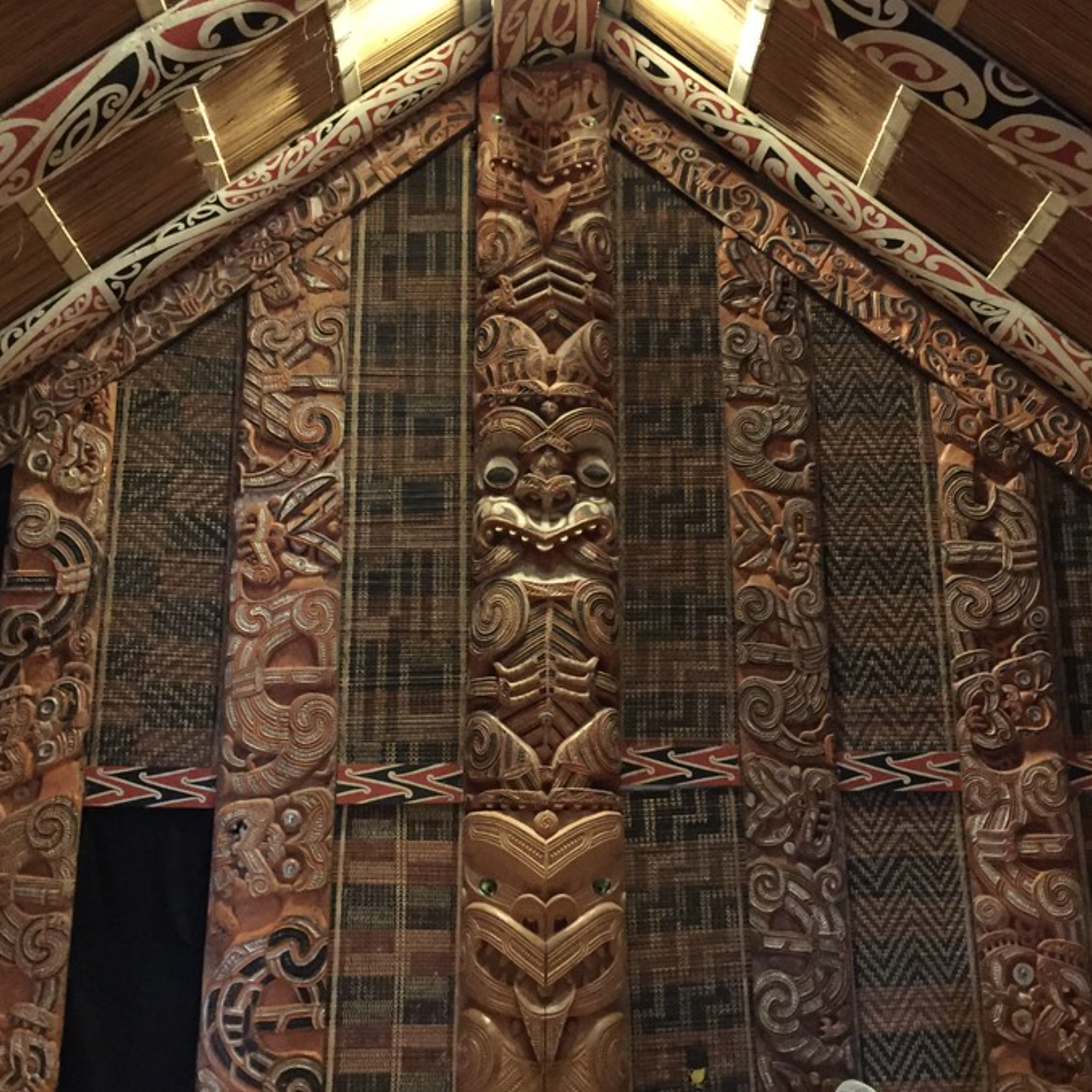
POU TUARONGO | Future-Proofed Governance
The Pou Tuarongo is the pou at the back wall of the whare – reflecting how you protect your kaupapa over time, including through disciplined risk management, compliance, succession and information transfer. The things that the board puts in place today shapes how you keep the kaupapa safe over time.
Reflects Mana Mokopuna – mana generated from protecting kaupapa across generations and replenishing the energy that sustains it.
In governance, the Pou Tuarongo often represents:
Legal obligations and liability
Risk Management protocols
Risk Register, Controls, Tools
12 main types of risk
Crisis response plans
Board succession
Induction processes
MAHAU | External Relationships
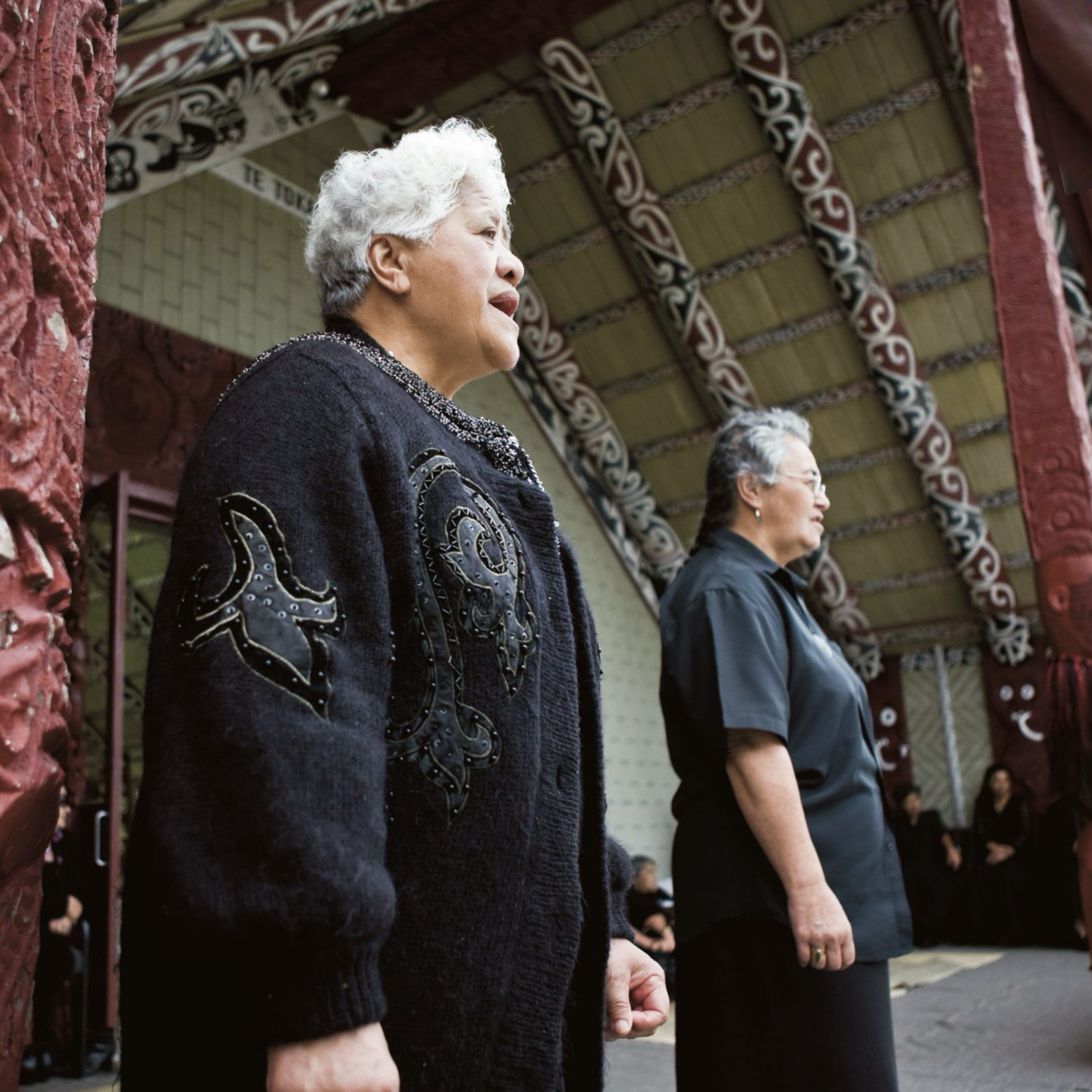
The Mahau is the front porch – the threshold between the organisation and external relationships. It reflects the interface for connections and relationships with whānau, stakeholders and partners. Strong governance weaves these groups together to strengthen the kaupapa, with open dialogue, accountability and shared purpose – and requires processes to uphold connection, transparency, accessibility and engagement.
Reflects Mana Tauutuutu – mana exchanged through strong and enduring relationships that provide the mauri to keep a kaupapa alive.
"Tauutuutu is not transaction but transformation. It keeps relationships alive through the circulation of mana." – Pā Henare Tate
In governance, the Mahau often represents:
Stakeholder voice
External partnerships
Collaboration frameworks
Co-governance arrangements
Whānau, iwi, and mana whenua relationships
Effective AGMs
Communication systems & protocols
Treaty partnerships
Impact evaluation